
The Clay & Glaze Notebook shares practical, down-to-earth guidance on pottery, ceramics and clay crafts for uk makers for readers across the UK.
- 0123456789
- Angle Bd Abdelmoumen & rue soumaya, Résidence
- [email protected]
The Clay & Glaze Notebook shares practical, down-to-earth guidance on pottery, ceramics and clay crafts for uk makers for readers across the UK.
 By Harriet Kingsley
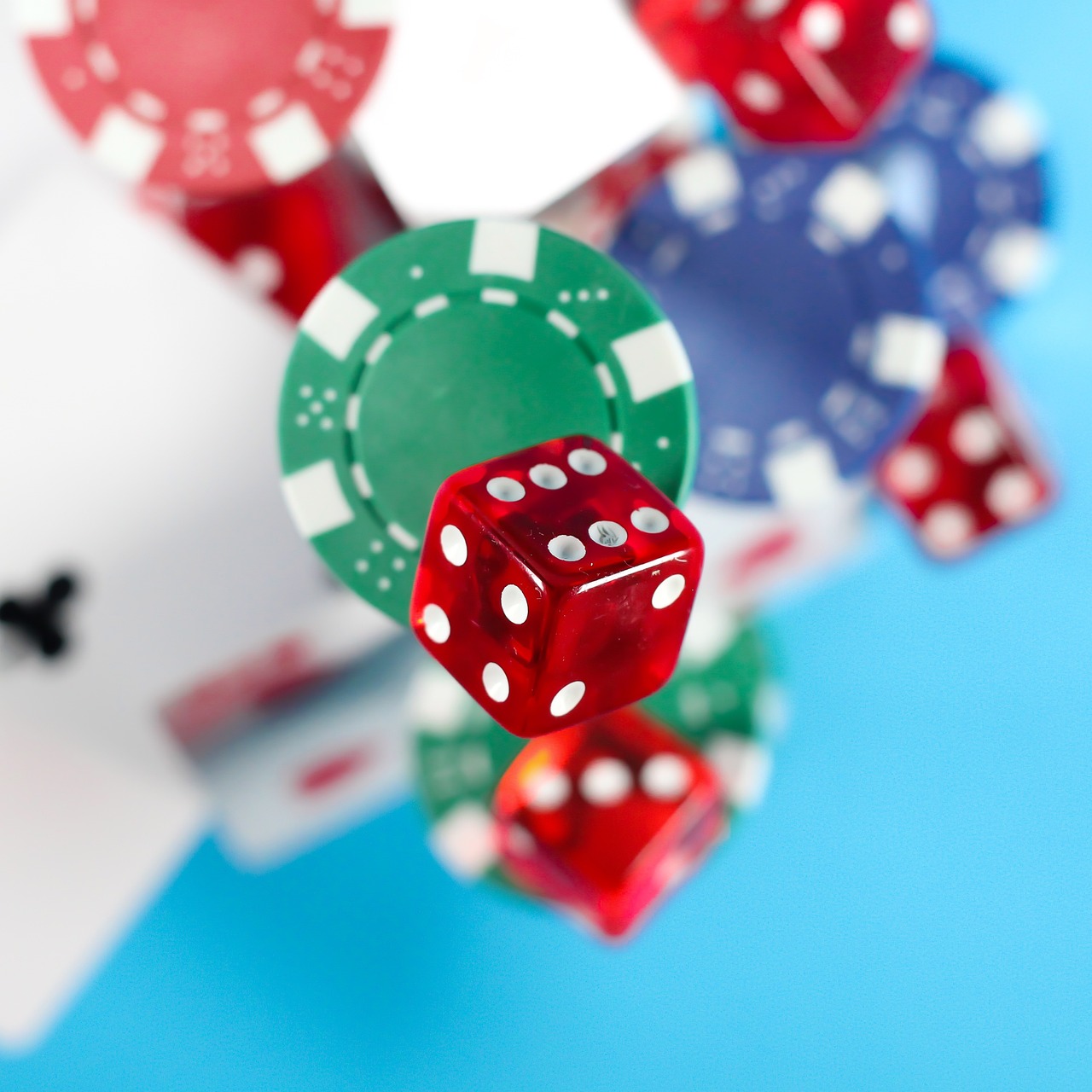
Step into any online casino lobby and you're not just looking at spinning reels and colorful tables. You're looking at one of the most sophisticated, data-driven entertainment industries on the planet — a sector that pulled in over $100 billion globally last year and shows no signs of slowing down. Whether you're a slots grinder, a poker strategist, or someone who just likes a weekend accumulator, understanding how this world actually works will make you sharper. And let's be honest, sharper is more fun.
Slots are the cash cow of iGaming. They account for roughly 70% of casino revenue in most regulated markets, and it's easy to see why — they're simple, fast, and psychologically sticky. But the simplicity hides a lot of engineering.
Every modern video slot runs on a Random Number Generator (RNG), which is audited by third parties like eCOGRA or GLI. That RNG doesn't care about your last spin, your session length, or how badly you want to hit three scatters. It's pure probability. The idea that a machine is "due" is called the gambler's fallacy, and it's probably the most expensive mental trap in the entire industry.
Here's something most players don't know: many slots deliberately show you "near misses" — two scatters landing when you need three — because studies show these moments trigger the same dopamine response as actual wins. It keeps you playing. Knowing this doesn't ruin the fun, but it does help you stay clear-headed.
A few concrete numbers worth keeping in your head: Readers looking for specifics may like v88.ru.com.
In short: RTP isn't a promise for a session. It's an average over millions of spins. Over 200 spins, you could be up 500% or down to nothing, and the RTP figure won't have lied to you.
If slots are pure luck with a side of math, poker is the opposite. It's a skill game wearing a gambling costume, and the numbers bear that out. In live and online cash games, roughly 10% of players are long-term winners. Everyone else is effectively funding the ecosystem.
What separates the winning 10%? It's rarely about getting lucky with big hands. It's about:
Online poker has also changed dramatically in the last decade. GTO (Game Theory Optimal) solvers like PioSolver turned high-stakes play into a math puzzle, and recreational players have had to adapt or get eaten alive. If you're grinding micro-stakes, your best edge isn't fancy bluffing — it's folding more and value betting thinner against opponents who call too much.
Cash games reward patience and consistency. Tournaments reward aggression, survival skills, and variance tolerance. The top tournament players in the world often go months without a big score despite playing near-perfectly. If you can't handle a 30-buy-in downswing, stick to cash games.
Sportsbooks aren't in the business of predicting winners. They're in the business of balancing action so they profit from the margin — the vig. A standard two-way market has a 4-5% hold built in, which means you need a 52.4% win rate just to break even on -110 odds.
Where casual bettors lose is in three predictable ways:
The sharpest bettors focus on closing line value. If you consistently get better odds than the final line before kickoff, you're beating the market long-term, even if individual bets lose. That's the real scoreboard.
There's a newer category that's exploded onto the scene: crash games, multiplier ladders, and instant-win mechanics. Titles like Aviator turned a simple concept — watch a multiplier climb and cash out before it crashes — into a social, fast-paced experience. They're popular because they feel skill-adjacent, even though the underlying math is still pure chance with an RTP around 97% on most platforms.
What makes these games interesting is the psychological layer: you choose when to stop. That illusion of control is powerful. Some players use auto-cashout strategies at 1.5x or 2x, grinding small consistent returns. Others push for 100x and blow up repeatedly. Same game, two completely different risk profiles.
If you play in a regulated market — the UK, Malta, Sweden, most US states now — your experience is heavily shaped by compliance rules. Bonus offers come with wagering requirements, and this is where most players get tripped up.
A "100% up to $200" welcome bonus with 35x wagering means you need to bet $7,000 before withdrawing any winnings. Slots usually contribute 100% toward that requirement, but table games might only count 10%. Read the terms before you claim anything. A mediocre bonus with 20x wagering is worth ten times more than a flashy one with 50x.
Also watch for max bet rules during bonus play. Betting $10 when the limit is $5 can void your entire balance, even on a legitimate win. Nobody reads those clauses — until it costs them.
The next few years will be defined by three things: AI-driven personalization, live dealer experiences powered by real-time streaming, and crypto-native casinos that settle bets in seconds without banks in the middle. Whether that's good or bad depends on how regulators keep pace.
What won't change is the core truth of iGaming: it's entertainment first, and anyone treating it like a paycheck is already behind. The players who last are the ones who set limits before logging in, understand the math behind the flashy graphics, and treat every session as a cost — not an investment. Do that, and you'll actually enjoy the ride.


We are not gonna make spamming
