
The Clay & Glaze Notebook shares practical, down-to-earth guidance on pottery, ceramics and clay crafts for uk makers for readers across the UK.
- 0123456789
- Angle Bd Abdelmoumen & rue soumaya, Résidence
- [email protected]
The Clay & Glaze Notebook shares practical, down-to-earth guidance on pottery, ceramics and clay crafts for uk makers for readers across the UK.
 By Harriet Kingsley
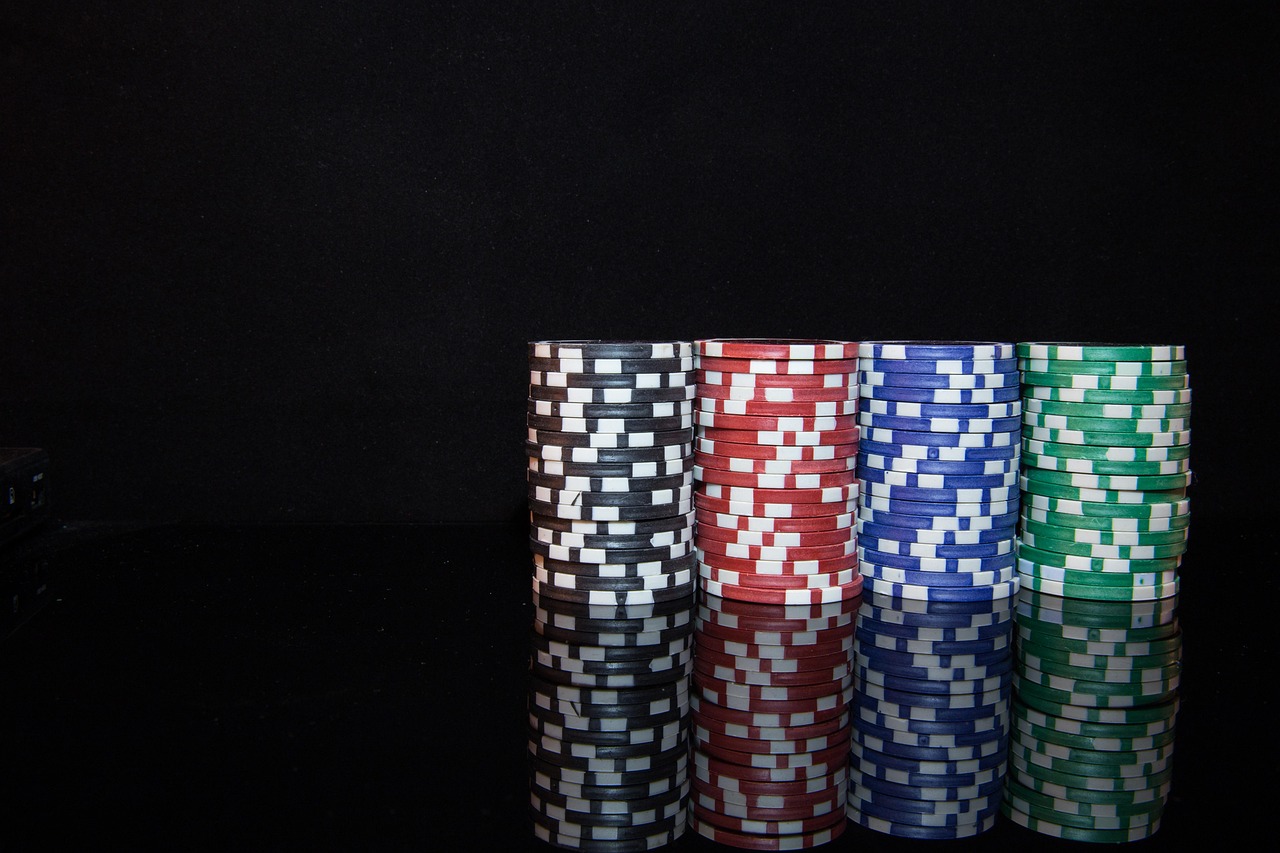
You sit down at a blackjack table with $200. The dealer smiles, the cards slide from the shoe, and for the next hour, you're convinced you're one good hand away from breaking even. But here's the uncomfortable truth: the math doesn't care about your gut feeling. Every casino game, every slot spin, every sports bet is built on a house edge — a tiny, relentless tax on your bankroll. Understanding that edge isn't about sucking the fun out of gambling. It's about knowing exactly what you're paying for the entertainment. Let's pull back the curtain on the real numbers.
Every bet you place has a built-in advantage for the casino. That advantage is called the house edge, and it's expressed as a percentage of your total wagered amount that the house expects to keep over the long run. It doesn't mean you lose that percentage every session — variance can swing wild — but over thousands of bets, the math grinds you down.
Consider a standard American roulette wheel. It has 38 pockets (1–36, plus 0 and 00). If you bet $10 on red, you win $10 when red hits (18 pockets), but you lose $10 when black (18) or green (2) hits. Your expected value? You lose 52.6 cents per $10 bet — a house edge of 5.26%. European roulette removes the 00, lowering the edge to 2.7%. That single extra pocket nearly halves the house's advantage. If you love roulette, always choose European or French wheels — same game, better odds.
Slots are the casino's cash cow, and for good reason. They're fast, flashy, and require zero skill. But their house edge is rarely posted, and it varies wildly. Land-based slots typically hold between 2% and 15% of every dollar wagered, depending on jurisdiction and machine. Online slots often sit between 2% and 6%, but some 'loose' games can dip below 1%.
Here's what that means in practice. A slot with a 96% RTP (return to player) — common online — has a 4% house edge. A land-based machine with an 85% RTP has a 15% edge. On a $1 spin, the difference seems trivial: four cents versus fifteen cents. But at 600 spins per hour, you're wagering $600. At 4% edge, you expect to lose $24 per hour. At 15%, that's $90 per hour. Same spin speed, nearly four times the cost. See สล็อตเว็บตรง for a side-by-side comparison.
Not all games are created equal. Blackjack, played with basic strategy, can bring the house edge down to 0.5% or even lower, depending on the rules. A single-deck game where blackjack pays 3:2 and the dealer stands on soft 17 is vastly better than a six-deck game paying 6:5 and hitting soft 17. Those rule changes can swing the edge from 0.5% to over 2%.
Poker is a different beast entirely. In cash games, you're not playing against the house — you're playing against other players, and the casino takes a rake (usually 5–10% of the pot, capped). A skilled player can have a positive expectation, meaning they win money over time. But 'skilled' is the operative word. The rake ensures the casino profits regardless of who wins the hand. If you're not consistently better than your opponents, the rake will bleed you dry.
So if you want the best shot at beating the house, blackjack with perfect strategy is your game. If you want to compete against other humans and you're willing to put in the study, poker is the only game where long-term profit is realistic.
Sportsbooks don't charge a fee. Instead, they build a margin into the odds. Let's say a fair coin flip would pay even money. A sportsbook might offer -110 on both sides. You bet $110 to win $100. If you win, you profit $100; if you lose, you lose $110. That extra $10 is the vig, or juice. The implied probability on -110 is 52.4% on each side, totaling 104.8%. The extra 4.8% is the book's edge.
But here's the kicker: modern sportsbooks adjust lines in real time based on sharp money. If you're betting on underdogs or obscure markets, the margin can balloon to 10% or more. The best bettors shop multiple books to find the lowest vig and exploit line discrepancies. If you're betting for fun, stick to major markets — NFL, NBA, Premier League — where the margin is thinnest.
Forget chasing losses or doubling down after a bad beat. The single best thing you can do is set a loss limit before you start and treat it as the cost of entertainment. If you plan to spend $100 on a night out, you don't expect to get it back — you expect to have fun. Gambling should be the same. The house edge guarantees the casino wins over time. Your job is to make sure you're getting enough enjoyment for the price.
Track your bets. Be honest about how much you've wagered, not just how much you're up or down. A $50 win on a $500 wager isn't a win — it's a 90% loss that happened to end in the black. Know the RTP of your favorite slots. Know the rules of your blackjack table. Know the vig on your sportsbook. That knowledge won't make you a professional, but it will make you a smarter player.
Here's what the casino doesn't want you to internalize: every game is designed to take your money slowly enough that you don't notice. The free drinks, the bright lights, the near-miss animations — they're all part of the experience. But the math is the math. You can't eliminate the edge, but you can choose games with the lowest edge, learn the strategies that reduce it, and set limits that keep you in control. The best gamblers aren't the ones who win big; they're the ones who walk away knowing exactly what they paid for the ride.


We are not gonna make spamming
